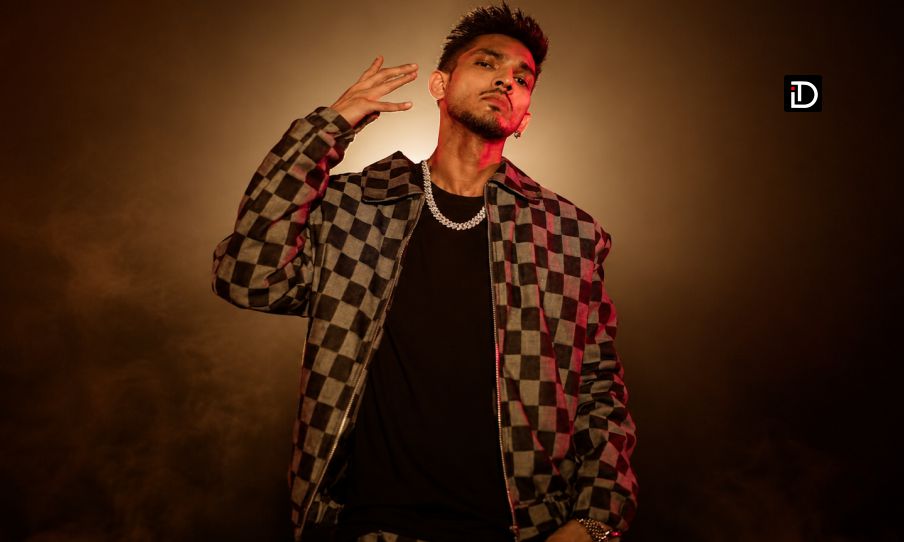
The scene in the South Asian music industry has changed dramatically over the last ten years. Everything started when an underground rap scene began to gain traction, originating from the streets of Karachi. The central figure of this phenomenon is the young rapper and poet named Talha Anjum. He managed to interpret the unique sounds of Karachi to the rest of the world. On the one hand, he emerged as a successful artist within the national music scene. On the other hand, his popularity acquired international recognition, contributing to the overall growth of the music industry. In his works, Talha Anjum combined multiple themes and styles, creating a new way of expression. Moreover, it should be noted that he was one of the first rappers to gain critical acclaim among the local audience and remain popular for a long time.
The Early Path of the Poet
Before he became a known and beloved rapper, Talha spent his formative years in Urdu medium schools, building his understanding of modern literature. The young poet had a great interest in the traditional and classical culture of his country. This fact largely determined his future and the path he chose. Unlike many of his contemporaries, who drew inspiration from Western music traditions, Talha Anjum focused his efforts on exploring the poetic roots of South Asia. He managed to find new ways of expression, using various metaphors and unique rhyming techniques seldom seen in the region’s music culture. Anjum often recited his poems on the streets and in local competitions, quickly gaining a decent following. His authenticity and rebellious spirit made him a unique figure in the area, setting the direction of his future.
Architect of the Young Stunners Era
The trajectory of Desi hip-hop shifted permanently when Talha Anjum co-founded the legendary rap duo known as Young Stunners. Alongside his longtime musical partner, he unleashed a wave of independent anthems that disrupted the traditional, corporate-dominated pop industry of Pakistan. Tracks that began as simple internet uploads quickly mutated into massive cultural moments, capturing the angst and ambition of an entire generation. Within this dynamic duo, Talha Anjum established himself as the philosophical anchor, delivering contemplative, deeply introspective verses that perfectly balanced his partner’s high-energy delivery. Together, they proved that independent Urdu rap could out-stream major commercial pop acts without sacrificing an ounce of its gritty, counter-cultural edge.
Defining the Art of Melancholic Rap
While many artists utilize hip-hop purely as a vehicle for bravado, Talha Anjum mastered an entirely different realm: the art of melancholic, late-night introspection. His solo catalog is defined by a willingness to strip away the armor of stardom and confront themes of isolation, heartbreak, betrayal, and the heavy psychological toll of sudden fame. When listening to a solo project by Talha Anjum, audiences are invited into a somber, cinematic world where poetic vulnerability coexists with sharp societal critiques. This unique emotional resonance has earned him a fiercely loyal fanbase that views his music less as entertainment and more as a form of shared therapy, proving that his pen is just as powerful when it whispers as when it roars.
A Lasting Global Legacy
Today, the influence of Talha Anjum extends far beyond the borders of Pakistan, commanding massive listenership across India, the Middle East, and the global South Asian diaspora. He has systematically dismantled the outdated notion that rap music is a passing western trend, cementing it instead as a permanent fixture of contemporary South Asian identity. By remaining entirely independent and fiercely protective of his artistic vision, Talha Anjum has inspired a massive new generation of bedroom producers and street lyricists to grab microphones and tell their own unfiltered stories. As his sound continues to evolve and mature, his position at the absolute pinnacle of the culture remains entirely undisputed, ensuring his legacy as a true pioneer of modern Urdu poetry.