
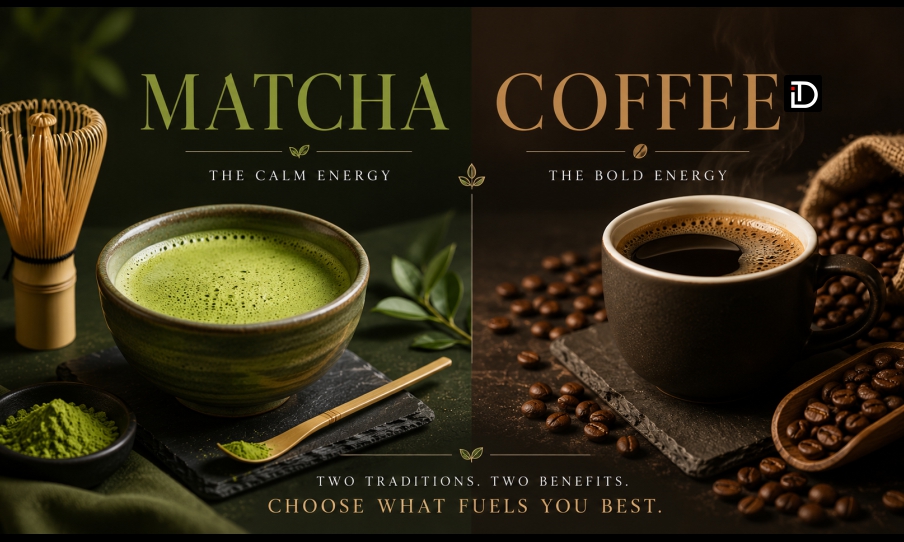
For many people, the morning routine involves preparing a cup of coffee – black or with milk. However, an increasing number of people are substituting regular coffee with matcha – a healthy and delicious green tea. Consequently, many people wonder whether matcha is better than coffee. The answer to this question depends on the person’s priorities. The major difference between coffee and matcha is that coffee typically provides a person with more caffeine, whereas matcha offers various health benefits.
Both drinks are healthy in their own way, and people should choose whichever suits their needs and taste buds. Coffee lovers usually appreciate the bold flavor of the drink, together with its ability to give them enough energy for the day. At the same time, people who are used to drinking matcha find it difficult to return to coffee because of its calming effect and variety of nutrients. However, there is no point in arguing about which beverage is the healthiest. Instead, it makes more sense to learn how coffee and matcha affect the human body.
Main Differences Between Matcha and Coffee Explained
As mentioned above, coffee and matcha are both caffeinated drinks, but they affect the human body differently. First of all, coffee contains more caffeine than matcha. Moreover, caffeine in coffee is easier to absorb, which means that people who drink coffee usually feel its effects sooner. Therefore, coffee is an ideal source of energy for people who need to stay focused while working on important tasks. On the contrary, people who want to experience the calming effect of matcha should know that it will not give them an instant energy surge. Instead, matcha gradually increases the level of energy in the body without provoking anxiety.
Both coffee and matcha are healthy beverages. However, while coffee is mostly consumed for its taste and energy, matcha provides people with essential nutrients such as vitamins, minerals, amino acids, and antioxidants. Moreover, Matcha contains L-theanine – an amino acid that helps people stay focused and relaxed throughout the day.
This unique combination creates a smoother and more balanced energy experience. Instead of feeling intensely stimulated, many people describe matcha as helping them stay focused while remaining calm throughout the day.
When people ask, is matcha better than coffee, this difference in how caffeine is delivered is often one of the biggest reasons behind the comparison.
Energy Levels and Mental Focus
One of coffee’s strongest advantages is its ability to wake you up quickly. The caffeine stimulates the central nervous system, increasing alertness and improving concentration within a short period. For individuals who need immediate energy before an early meeting or workout, coffee often delivers exactly what they need.
However, the rapid rise in caffeine can sometimes be followed by an energy crash. Some individuals also experience jitters, nervousness, or increased heart rate, particularly if they consume multiple cups throughout the day.
Matcha offers a different experience. Thanks to the presence of L-theanine, caffeine is released more gradually. This helps maintain consistent energy levels for several hours without the sudden highs and lows commonly associated with coffee. Students, professionals, and creatives often appreciate this steady mental clarity during long periods of focused work.
If your primary concern is sustained concentration rather than instant stimulation, is matcha better than coffee becomes a very reasonable question to consider.
Health Benefits Beyond Caffeine
Coffee has earned recognition for its health benefits when consumed in moderation. It contains antioxidants that help protect cells from oxidative stress and has been associated in research with improved brain function and a reduced risk of certain chronic conditions. Black coffee is also naturally low in calories, making it a suitable beverage for many balanced diets.
Matcha also offers an impressive nutritional profile. It is especially rich in catechins, a group of antioxidants that support overall health. Because the whole tea leaf is consumed, matcha delivers higher concentrations of these beneficial compounds than traditional green tea. Many people also enjoy its potential support for metabolism and overall wellness.
The question of is matcha better than coffee often depends on whether someone values coffee’s stimulating properties or matcha’s broader nutritional benefits. Neither drink should be viewed as a miracle solution, but both can fit into a healthy lifestyle when consumed appropriately.
Choosing the Right Beverage for Your Lifestyle
Personal preference plays a major role in deciding which beverage is the better choice. Coffee lovers often appreciate the rich aroma, wide variety of brewing methods, and stronger flavor profile. It also pairs naturally with many breakfast foods and has become an important part of social and workplace culture around the world.
Matcha appeals to people seeking a slower, more mindful routine. Preparing matcha traditionally involves whisking the powder into hot water, creating a smooth and frothy drink. Its earthy flavor may take some time to appreciate, but many people eventually come to enjoy its distinctive taste.
Individuals who are sensitive to caffeine may find matcha easier on their system because of its balanced release of energy. Those who need an immediate mental boost before starting demanding tasks may continue to prefer coffee.
Ultimately, deciding is matcha better than coffee comes down to your personal needs, daily schedule, and how your body reacts to each beverage.
Finding the Best Choice for You
There is no single answer that works for everyone. Coffee remains an excellent option for people who enjoy bold flavors and fast-acting energy, while matcha provides a gentler source of alertness along with valuable antioxidants and additional nutrients.
Some people even choose both, enjoying coffee in the morning for a quick start and matcha later in the day for sustained focus without feeling overstimulated. Paying attention to your own energy levels, sleep quality, and overall well-being is the best guide.
Instead of asking whether one drink is universally superior, consider which beverage supports your goals more effectively. Once you understand how each works, the answer to is matcha better than coffee becomes much more personal than absolute. Both have earned their place in healthy routines, and the right choice is the one that helps you feel your best every day.