
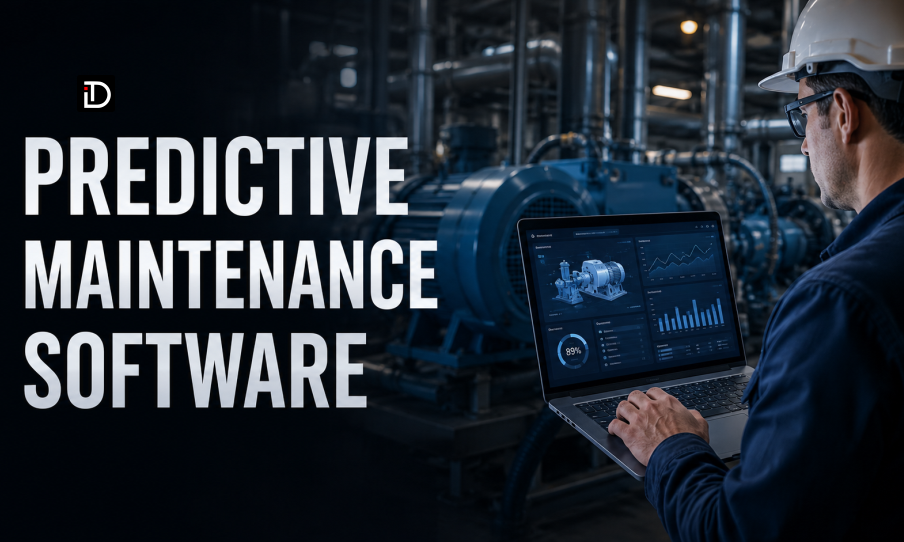
When machines stop working, it slows everything down. Instead of waiting for breakdowns or sticking to fixed schedules, some firms now watch performance closely. Data helps them see problems coming. This change runs on smart tools that track how gear behaves over time. Watching signals day by day means fixes happen just when needed. The move from guessing to knowing cuts waste sharply. Money once spent on delays now stays put. Operations flow smoother without surprise halts. What used to feel unpredictable becomes routine to manage. Awareness grows through steady feedback, not crisis alerts. Small signs point to big shifts before damage spreads. Time once lost returns to useful work instead.
The Way People Manage Assets Has Changed Over Time
Years went by while factories stuck with fixing machines only after they failed – an expensive habit people called pushing gear till it collapsed. Sudden breakdowns followed, along with high-priced fixes and unplanned stoppages in workflow. As a shield against such chaos, businesses adopted regular checkups based on time, not machine health. These routine visits aimed to help yet sometimes caused work that wasn’t needed, using up parts and hours without real cause.
Suddenly, machines started giving warnings before breaking down. Using number patterns, computers now watch how gear behaves while running. Because of this, repairs happen only if truly needed. Machines last longer, workers spend less time fixing them. With smart alerts, companies notice tiny changes humans would miss. Sounds like magic, feels like common sense.
How Data and Analytics Power the System
The true magic of predictive maintenance software lies in its ability to process massive amounts of data generated by Internet of Things sensors. These sensors are attached to critical machinery to monitor key indicators such as temperature, vibration, acoustic anomalies, and oil pressure. As the machinery operates, the predictive maintenance software aggregates this continuous stream of telemetry data and analyzes it against historical performance baselines.
Using sophisticated machine learning algorithms, the predictive maintenance software identifies patterns that precede equipment failure. For instance, a slight, unusual increase in a turbine’s vibration frequency might go unnoticed by a technician, but the software flags it instantly as an early sign of bearing degradation. This early warning system gives maintenance teams a crucial window of opportunity to plan repairs during scheduled shutdowns, thereby avoiding sudden and costly operational disruptions.
Tangible Business Benefits and ROI
Investing in predictive maintenance software yields significant financial and operational rewards across various sectors, from manufacturing to energy. The most immediate benefit is a drastic reduction in maintenance costs. Because repairs are targeted and precisely timed, companies can eliminate the expenses associated with over-maintenance and premature part replacements. Furthermore, predictive maintenance software extends the overall operational life of expensive industrial assets, ensuring companies get the maximum possible return on their capital investments.
Beyond direct cost savings, predictive maintenance software dramatically enhances workplace safety. Equipment failures can sometimes result in hazardous incidents, such as fires, leaks, or mechanical explosions. By foreseeing these dangers, the software helps create a safer environment for technicians and floor workers. Additionally, optimized machinery operates at peak efficiency, which lowers energy consumption and supports corporate sustainability goals, making the software a win for both the balance sheet and the environment.
Overcoming Implementation Challenges
While the advantages are undeniable, deploying predictive maintenance software requires careful planning and cultural adaptation. One of the primary hurdles is data integration. Industrial environments often feature a mix of legacy machinery and modern equipment, creating siloed data streams that can be difficult to centralize. Organizations must ensure they have the proper infrastructure to feed clean, high-quality data into their predictive maintenance software for it to generate accurate insights.
Another critical factor is the human element. Transitioning to a data-reliant workflow requires upskilling the workforce. Technicians who are used to traditional mechanical indicators must learn to trust and interpret the digital alerts provided by the predictive maintenance software. However, when management fosters a culture of digital literacy and provides adequate training, the software ceases to be a complex tool and becomes an indispensable daily partner in achieving operational excellence.