
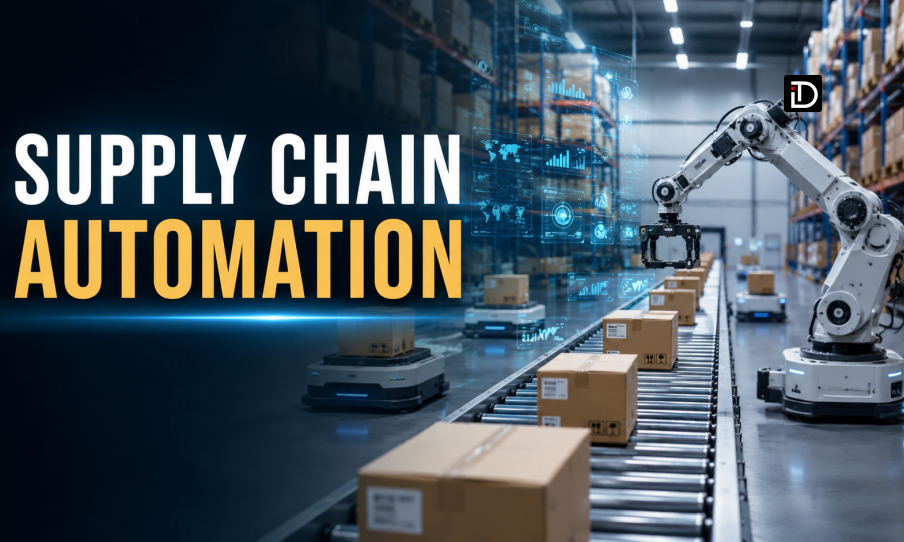
Speed changes everything now – what used to work in selling stuff doesn’t cut it anymore. Right in the middle sits automated supply chains, once a nice-to-have toy for big players, now something every company must have just to stay alive. When markets jump around without warning and people want orders yesterday, old-school hand-done processes collapse under pressure. Falling short here means losing ground fast – to rivals already running smarter systems. Turning on automation flips the script: shipping isn’t just expense noise anymore, instead it powers progress before problems even show up.
Smart software changes how warehouses work
Old ways saw people moving goods by hand, scribbling notes on clipboards, counting stock one by one – slow, messy work. Now machines glide through aisles, guided by software that knows where every item sits without guessing. Instead of workers racing across vast floors, robots carry shelves to stations, squeezing more space out of the building. Software learns patterns others miss, spotting busy seasons before they hit. Suddenly, fast-selling items sit nearer loading doors, waiting quietly. Mistakes fade when code replaces checklists and memory. Orders leave faster than before, arriving complete, correct, on time. Timing tightens until delays feel foreign.
Overcoming the Traditional Visibility Bottlenecks
One of the most persistent headaches for logistics executives has always been the lack of real-time visibility across fragmented shipping networks. Implementing end-to-end supply chain automation acts as a digital thread that connects raw material suppliers, manufacturers, freight forwarders, and last-mile delivery drivers into a single cohesive ecosystem. Through internet-of-things sensors and automated tracking updates, businesses can monitor the precise location and temperature of goods in transit. If an unexpected port delay or severe weather event threatens a shipment timeline, the supply chain automation system can immediately flag the anomaly and dynamically reroute the cargo. This proactive mitigation prevents minor disruptions from cascading into catastrophic, multi-week delays that alienate loyal customers.
Mitigating Labor Shortages and Elevating the Human Workforce
The global logistics sector continues to face severe, unprecedented labor shortages that disrupt productivity across all operational touchpoints. Utilizing supply chain automation provides a strategic buffer against these workforce constraints by handling repetitive, mundane, and physically taxing tasks. When machines manage data entry, invoice processing, and heavy sorting, human workers are freed to focus on high-value initiatives like strategic supplier relationship management and complex problem-solving. Far from eliminating human jobs, supply chain automation reshapes the workforce by creating safer, more ergonomically sound environments where employees collaborate alongside intelligent tech. This symbiotic relationship enhances overall operational resilience, ensuring that businesses maintain peak productivity even when local labor markets are tightly constrained.
Driving Sustainable Operations and Longevity
In the current corporate climate, financial efficiency must walk hand-in-hand with environmental responsibility. Integrating robust supply chain automation directly supports corporate sustainability goals by optimizing fuel consumption, reducing paper waste, and eliminating overproduction. Automated route planning ensures delivery fleets take the most eco-friendly paths, cutting down carbon emissions significantly. Furthermore, the precision offered by supply chain automation reduces product spoilage and material waste throughout the manufacturing pipeline. By aligning technological precision with ecological awareness, forward-thinking enterprises are discovering that supply chain automation is the ultimate catalyst for building a resilient, future-proof business model that thrives for decades to come.