Infrastructural development in the Gulf Cooperation Council area is proceeding even in uncertain times in economic and geopolitical spheres, which shows the value the governments put in investments. But the changes in the region affect how project owners, financiers and contractors evaluate financing needs and business risks of the projects.
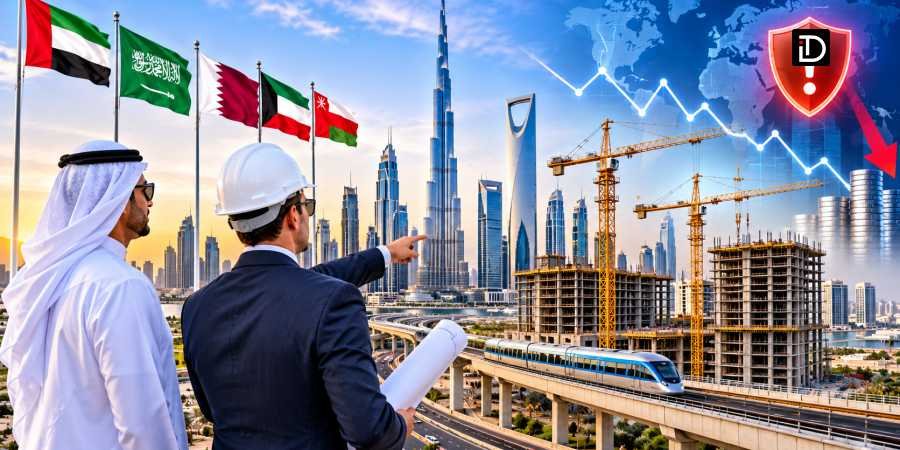
According to MEED’s November 2026 Business Review, government sponsored infrastructure investments have supported the Gulf projects market in the difficult economic situation caused by the regional conflicts. The article emphasized the stability of the UAE pointing out that the contract awards in the country rose by 6.1% from the previous year. However, there were some signals of declining activity in other markets, such as residential construction and tenders.
This development shows the diverse challenges the economies of the Gulf face. Governments keep developing transport, energy and water infrastructures and other projects.
The construction and engineering industry would continue to benefit from investments made by the government. Nevertheless, the current business environment has become more challenging since contractors have to look at changes in the price of materials, costs of insurance coverage, and time frames. Additionally, international financiers are now more concerned about security risk and risk sharing before investing their money.
The infrastructure sector in Saudi Arabia has been undergoing changes in the nature of development plans and the pace of such plans. The above changes indicate the need for developers to combine the objective of development with financial management and realistic time frame.
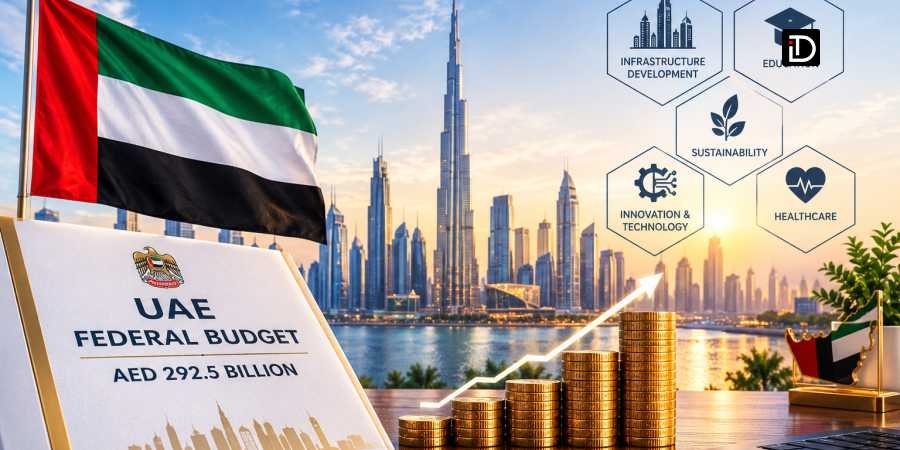
In the UAE, the government continues to finance key industries through investments. Financing of sectors such as energy, transport, and water infrastructure can help to build economic resilience and give way to private investment in these industries.
Project finance has become increasingly important. Infrastructure projects are quite costly and take a lot of time. Bankers and institutional investors have to evaluate the viability of projects to make profits in spite of the uncertain political, regulatory, and operational environment.
Public-private partnerships can be one approach for dividing the investment responsibilities between the government and private enterprise. But a good contract, risk sharing, and income generating mechanisms are necessary.
Thus, the future prospects of the region with regard to its infrastructure need to be viewed with both optimism and prudence. The long-term developmental needs are on the table, but now investors are getting choosier about their investments.
For local companies, the next step in their progress will depend on the financial stability, project management abilities, and flexibility in the operations of the firm. Continuous investment in infrastructure can prove to be vital in transforming the economy of the region, as long as the projects are financially viable.