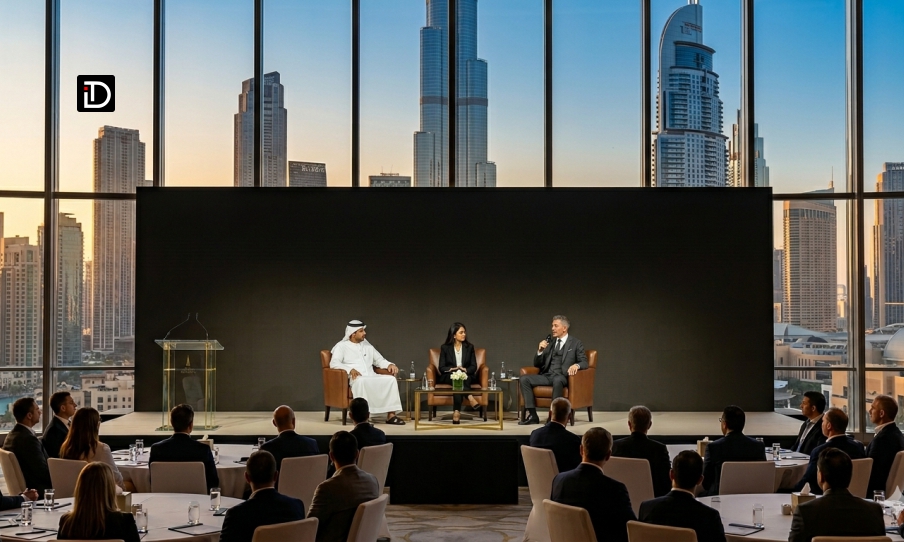
High above street level, glass towers rise beside shopping centers filled with designer stores – yet beneath them runs a network of companies shaping how Dubai looks and thrives. One key player stands out: Emaar Properties, built by Mohammed Alabbar, who still guides it as chairman. Not just any builder, this firm put up the tallest tower on Earth and one of the largest malls too. From those landmarks came wider change – turning the city into a magnet for travelers, shoppers, investors. Its reach stretches past UAE borders, touching markets in India and other regions through bold new zones mixing homes, shops, hotels. Design matters here, but so does experience; sleek shapes meet premium service inside spaces meant to feel like worlds unto themselves. Armani-branded stays sit within these complexes, part of a pattern where living, buying, resting blend under single rooftops. Billions flow in yearly because people come not only to see but to spend time, money, attention across these planned environments.
Right after Emaar comes Dubai Islamic Bank (DIB), the first full-service bank in the emirate built on Sharia principles, now a key name across regional finance. Led by seasoned professionals skilled in mainstream and Islamic banking alike, it’s moved boldly into online services, lending to small businesses, while teaming up with new fintech players – shaping its image around innovation within faith-based finance. Following that, Emirates Group, owner of Emirates Airlines, keeps Dubai linked to more than 150 countries worldwide, holding up the city’s place at the center of air travel and shipping networks. With steady guidance, the group pours resources into greener planes, better passenger comfort, plus wider freight routes – keeping the emirate firmly planted where continents cross paths.