
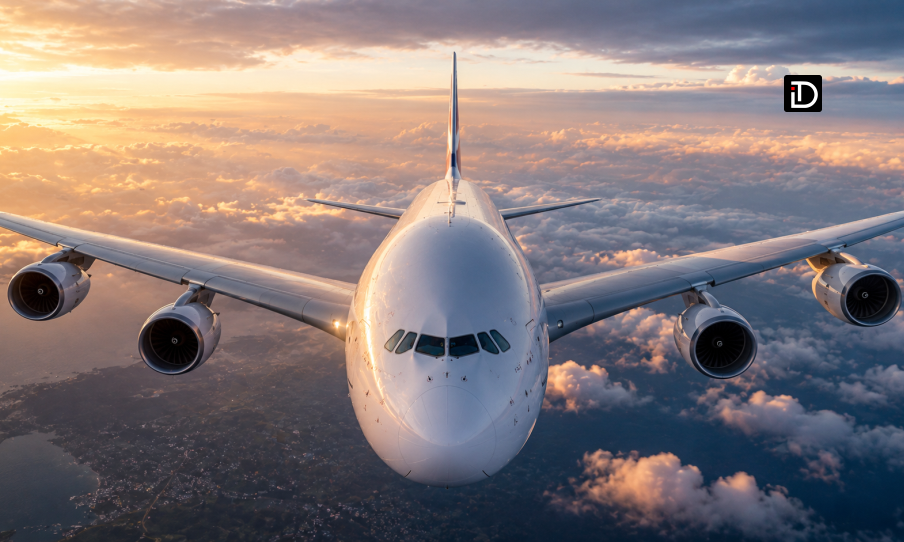
Back at it again, Emirates tweaks overseas flights – holding off on bringing back the big Airbus A380 for trips out of Dubai. Instead of rolling them out, Perth and Prague still won’t see those giant planes anytime soon. This isn’t what was mapped out before. Behind the scenes, shifting hurdles hit airlines hard these days. Running an airport fleet? Not getting any easier worldwide.
Still standing out among modern jets, the Airbus A380 carries more travelers than nearly any other plane, offering roomy cabins and smooth rides across continents. Emirates flies more of these giants than any carrier, using their size to handle crowded global routes. Even so, shifts in travel habits combined with unrest in key regions are reshaping when and where those planes appear. Though once seen everywhere, they now show up less often on certain paths once considered essential. Their role keeps shifting, guided by what passengers want today rather than patterns from years ago.
Emirates Updates Flight Schedules on Global Routes
Now adjusting flight plans often, airlines respond to shifting needs like fuel prices, crew availability, travel trends, also world happenings. Recently, Emirates filed changes showing the giant A380 won’t touch down soon in Perth or Prague after all. Those paths stay under operation with leaner planes able to adapt quicker. For now, big jets sit out these runs.
Lately, some big plane services have been scaled back by the carrier. Reports from within aviation point to Emirates slicing more A380 trips just this season. With these moves, steady routes stay open even as risks around running them get trimmed.
One major reason behind the shift is the continuing uncertainty surrounding airspace and travel patterns across the Gulf region. Airlines worldwide have been carefully monitoring developments that may affect fuel consumption, route planning, and passenger confidence. Large aircraft naturally involve higher operating costs, making flexibility more important during unpredictable conditions.
Perth Route Sees Long Absence Of The Superjumbo
The Perth route has experienced one of the most significant operational changes involving the Airbus A380. Emirates last operated the aircraft between Dubai and Perth in mid-March, shortly after regional tensions escalated. Since then, passengers traveling between the United Arab Emirates and Western Australia have mainly flown on the Airbus A350-900, along with occasional Boeing 777 aircraft.
Although the replacement aircraft offer modern cabins and efficient performance, they carry considerably fewer passengers compared to the Airbus A380. This reduction in seating capacity allows Emirates to better manage fluctuating travel demand while lowering fuel exposure on ultra-long-haul services.
The strategy also provides commercial advantages. By reducing available seats, airlines can maintain stronger passenger loads and potentially improve ticket pricing. During uncertain market conditions, this approach helps protect profitability without fully suspending important international routes.
For travelers accustomed to the onboard experience of the superjumbo, the temporary absence remains noticeable. The aircraft has become famous for features such as onboard lounges, quieter cabins, and spacious seating arrangements, especially on long-haul flights operated by Emirates.
Prague Services Also Continue With Alternative Aircraft
Prague is another destination affected by the revised deployment plans. Emirates had initially planned to restore Airbus A380 services on the route sooner, but the airline has now extended the delay. Instead, smaller wide-body aircraft will continue operating flights between Dubai and the Czech capital.
European routes often rely on seasonal demand, tourism patterns, and connecting traffic through Gulf hubs. Current market conditions have encouraged airlines to remain cautious about restoring maximum capacity too quickly. While demand continues to recover globally, airlines are balancing expansion carefully to avoid unnecessary operational pressure.
The Prague route remains strategically important for Emirates because it connects Central Europe with destinations across Asia, Australia, and the Middle East through Dubai. However, deploying smaller aircraft offers greater flexibility in uncertain circumstances, particularly when fuel prices and passenger behavior remain difficult to predict.
Global Aviation Industry Faces Ongoing Operational Challenges
The delayed return of the Airbus A380 on these routes highlights wider challenges facing international aviation. Airlines continue adapting networks in response to geopolitical tensions, economic uncertainty, changing travel patterns, and operational costs. Aircraft deployment decisions are now influenced as much by global events as by passenger demand itself.
Large aircraft like the Airbus A380 are especially sensitive to market conditions because they depend on consistently strong passenger numbers to remain economically efficient. When uncertainty rises, airlines often prefer smaller twin-engine aircraft that offer lower fuel consumption and more adaptable scheduling options.
At the same time, the superjumbo still plays a valuable role in global aviation. Emirates continues operating the aircraft on several flagship routes where passenger demand remains exceptionally high. Cities such as London, New York, Sydney, and Singapore still regularly see A380 services because these destinations can consistently support the aircraft’s enormous capacity.
Despite ongoing reductions on certain routes, aviation analysts believe the aircraft will remain an important part of Emirates’ network for years to come. The airline has invested heavily in upgrading cabins, maintaining the fleet, and improving onboard experiences to ensure the aircraft continues attracting premium travelers.
Future Outlook For Emirates And The Airbus A380 Fleet
While the delayed return to Perth and Prague may disappoint aviation enthusiasts and frequent travelers, the decision reflects a cautious and calculated operational strategy. Emirates appears focused on maintaining network stability rather than rapidly restoring full capacity across all international destinations.
As global conditions improve, the Airbus A380 could gradually return to additional routes where demand justifies its deployment. Until then, Emirates will likely continue balancing flexibility, profitability, and passenger demand using a mix of smaller long-haul aircraft across its international network.
The aircraft still represents a major symbol of luxury air travel and remains closely associated with Emirates’ global identity. Even with temporary reductions, the Airbus A380 continues to hold a unique place in modern aviation, serving as both an engineering achievement and a defining feature of long-haul international travel.