
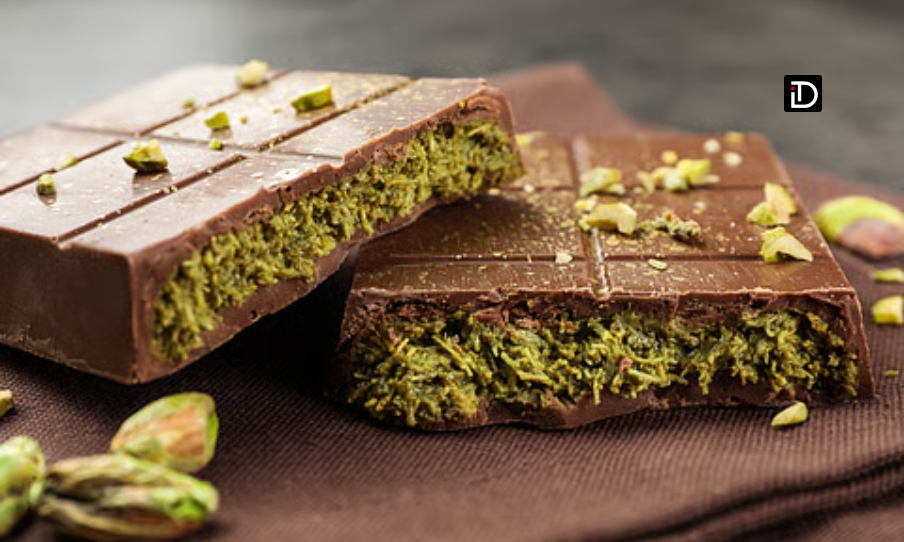
Out of nowhere, this sugary moment took hold online – kunafa chocolate crashing into view like a wave nobody saw coming. Crunch hits before flavor even registers, sharp and bright against smooth layers beneath. Instead of blending cultures quietly, it shouts through contrast: golden threads of pastry pulled thin, then dipped in something dark, rich, almost serious. Think less tradition meeting trend, more old hands shaking new ones across continents. Inside every piece, heat-fried edges give way to cool melt, a rhythm repeated in homes and small shops alike. People aren’t just eating it – they’re listening, filming, leaning close to catch that snap on camera. Even silence pauses right before the bite begins.
The Quiet Balance of Surface and Flavor
What makes kunafa chocolate work so well? It holds together in a clever way. Instead of using nuts or biscuit pieces for texture, it leans on kataifi – fine threads of filo dough. These delicate strands get cooked slowly in melted butter, turning crisp and amber-colored. A fluffy network forms, almost like spun sugar after fire. Inside, you might find green pistachio paste or a touch of sesame paste woven through. That slight saltiness tugs gently against the sugar. Wrapped slow inside, a heavy coat of hardened cocoa holds it tight. Sharp difference on purpose – outside slips slick under your fingers, yet what hides beneath hits bold, crackling bright with every bite.
A Modern Twist on Ancient Culinary Foundations
To understand the allure of kunafa chocolate, one must appreciate the lineage of its namesake. Kunafa has been a staple of Levantine cuisine for centuries, traditionally served as a warm, cheese-filled pastry soaked in rose or orange blossom water syrup. By reimagining these flavors within a portable, shelf-stable format, creators have made traditional Middle Eastern ingredients accessible to a new generation of palates. The use of pistachio and semolina textures pays homage to the heritage of Damascus and Istanbul, while the chocolate shell speaks to a globalized dessert culture. This evolution shows how traditional culinary boundaries are blurring, allowing for a creative dialogue between the heritage of the East and the confectionery techniques of the West.
The Digital Craze and the Power of Sound
It is impossible to discuss the popularity of kunafa chocolate without acknowledging the role of social media in its meteoric rise. We live in an era of “sensory eating,” where the visual and auditory appeal of food is just as important as its flavor profile. The “snap” of the chocolate followed by the distinct crackle of the kataifi has made it a favorite for creators who focus on the auditory experience of eating. Seeing the vibrant green of a pistachio center oozing out from a dark cocoa crust provides a visual pop that is tailor-made for high-definition screens. This viral nature has pushed local artisans to innovate rapidly, leading to variations that include dried rose petals, gold leaf, or even spicy infusions to keep the momentum going.
Crafting the Perfect Fusion at Home
For the adventurous baker, the journey of making kunafa chocolate is an exercise in precision and patience. The process begins with the careful preparation of the kataifi, which must be broken down into small pieces to ensure every bite of the final bar contains that signature crispness. Achieving the right balance is crucial; too much butter and the pastry becomes soggy, too little and it loses its golden luster. Tempering the chocolate is the next hurdle, requiring steady temperatures to ensure a glossy finish and a clean break. Many enthusiasts are now experimenting with white chocolate or even ruby chocolate to create a different aesthetic, proving that the versatility of this fusion is limited only by one’s imagination.
The Lasting Impact of Global Sweetness
While many food trends disappear as quickly as they arrive, kunafa chocolate feels like it has the staying power to become a new classic. It taps into a growing desire for desserts that offer more than just sugar, focusing instead on complex mouthfeel and cross-cultural storytelling. As more people seek out authentic flavors through unconventional lenses, we are likely to see this combination appearing in everything from high-end patisseries to local grocery shelves. The enduring appeal lies in its ability to surprise; even after the first dozen bites, the interplay of the buttery, toasted dough and the melting cocoa remains a delightful shock to the system, ensuring its place in the pantheon of great modern desserts.