
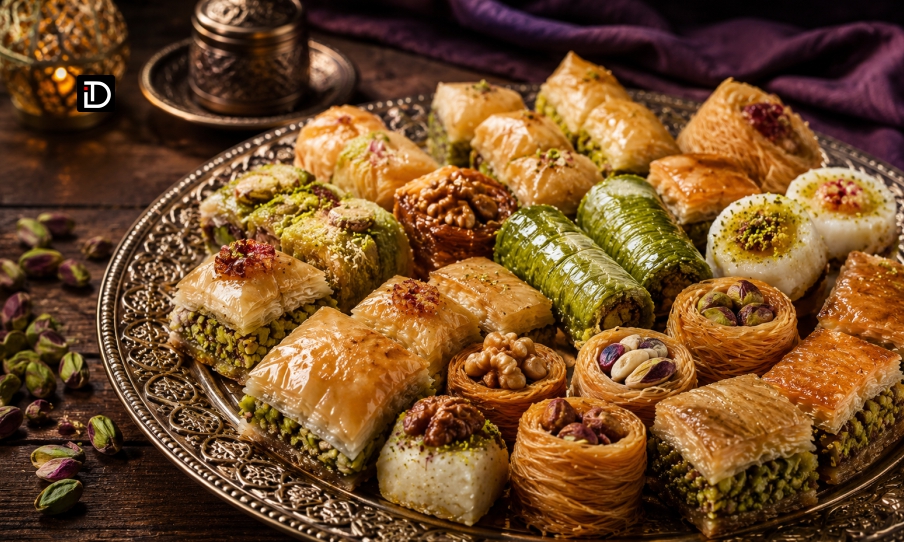
The world of desserts is extensive, but only a small part of it has such a long history and complexity as Arabic sweets. For centuries, these desserts have been made as a symbol of Middle Eastern hospitality. Every bite in arabic sweets contains unique harmony, which is the result of ideal balance and refined artistry. These treats have been delighting millions of people for centuries, and there are reasons why the popularity of arabic sweets remains as high as ever.
Time-Honored Artistry and Uniqueness of Taste
Arabic sweets have a unique flavor that is not found in any Western desserts. When preparing arabic sweets, Eastern bakers traditionaely use a variety of natural ingredients, including different types of nuts, sugar, and aromatic oils. Unlike Western pastries, which are characterized by the use of vanilla, chocolate, and cream, Eastern confectionery uses many flavors extracted from local flowers. With the addition of rose water and orange blossom, the dessert receives a unique delicate flavor. Another feature of this kind of confectionery is a choice of spices. Mastic, cardamom, and cinnamon are ideal additions to sweet dishes. These three components together create an unforgettable dessert experience, which is difficult to find in other cuisines.
A special feature of arabic sweets is the harmonious combination of different consistencies. Masters of the craft carefully and meticulously layer the dough to create an ideal ratio of crispy and velvety layers. In the preparation of these desserts, bakers use a choice of ingredients, including phyllo dough, kunafa, and semolina. By adding locally grown and salted nuts, bakers achieve a unique balance between not overly sweet filling and these tasty and healthy additives. This allows the consumer to feel the delicate flavors of both sweet and salty.
The Sacred Ritual of Hospitality and Celebration Sealed with Sugar
In Middle Eastern culture, food is the ultimate expression of love and respect, and arabic sweets sit at the absolute pinnacle of this tradition. It is practically impossible to enter an Arabic home without being offered a visual feast of assorted pastries alongside a steaming cup of cardamom-infused Arabic coffee. The bitter, spiced notes of the coffee are intentionally paired with the rich sweetness of the confections, creating a perfect sensory equilibrium. This ritualistic pairing is a foundational element of social gatherings, business meetings, and casual family catch-ups alike.
The significance of these desserts magnifies dramatically during major cultural and religious celebrations. During the holy month of Ramadan, the demand for arabic sweets reaches an annual peak. After a long day of fasting, families gather for Iftar, and these energy-dense, nutrient-rich desserts provide a much-needed and deeply comforting restoration of energy. Special varieties are prepared exclusively for Eid celebrations, weddings, and births, transforming these sugary creations into milestones of human connection. To bake and share these treats is to participate in an ancient chain of generosity that transcends borders and generations.
Iconic Masterpieces That Define the Confectionery Landscape of the Region
While the variety of desserts spans hundreds of regional specialties, a few iconic creations stand as global ambassadors for the craft. Chief among them is baklava, a magnificent construction of dozens of microscopic layers of phyllo pastry, drenched in scented syrup and packed with vibrant green pistachios or rich walnuts. The perfect baklava requires immense skill to ensure the bottom layers remain crisp under the weight of the syrup while the top layers shatter delightfully with every single bite.
Another legendary pillar of the dessert world is kunafa, a warm, heavenly concoction made of spun shredded pastry or fine semolina dough, layered over a melted, gooey white cheese. It is baked until golden, soaked in sugar syrup, and served hot, creating a magnificent contrast between the salty, stretchy cheese and the sweet, crunchy exterior. Basbousa, a traditional semolina cake soaked in syrup and adorned with a single almond, offers a completely different texture—dense, moist, and wonderfully crumbly. These diverse masterpieces showcase the incredible versatility inherent in the realm of arabic sweets, proving that simple ingredients can be elevated into pure culinary magic.
Preserving the Heritage and Embracing the Evolution of Ancient Recipes
As the culinary world becomes increasingly globalized, the legacy of arabic sweets continues to evolve while fiercely protecting its historical roots. Master pastry chefs who spent decades learning the precise geometry of dough rolling are now passing their skills to a new generation. Today, modern artisans are experimenting with lighter sugar profiles, vegan adaptations, and contemporary fusions, introducing these classic flavors to a broader, health-conscious global audience.
Despite these modern twists, the core essence of the craft remains untouched. The demand for authentic, handmade arabic sweets has never been higher, as people worldwide seek out genuine culinary experiences rooted in history. Whether purchased from a centuries-old stall in a bustling historic souk or a high-end boutique in a modern metropolis, these desserts continue to connect people to a rich tapestry of history and flavor. Ultimately, the enduring global fascination with arabic sweets ensures that this beautiful, fragrant art form will continue to sweeten celebrations and foster human connection for centuries to come.