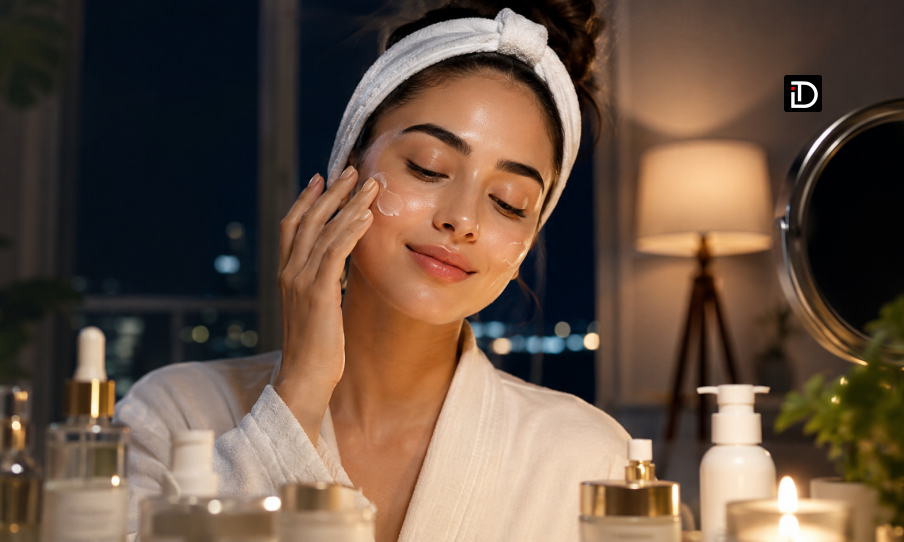
The Ultimate Night Skin Care Routine for Radiant and Healthy Skin
Each morning begins with skin already at work, defending itself from sun rays, grime, and fumes. Come nighttime, it shows signs of strain after hours facing those elements. Protection dominates the daylight hours, yet evenings shift toward healing instead. As rest takes over, so does the body’s quiet cycle of rebuilding cells – ideal for absorbing deep treatments. A consistent nightly practice supports this recovery, revealing smoother texture by dawn, along with slower visible wear over time.
The Base of Clean Skin and Why Two Steps Work
Start by knowing this: sleeping with makeup or dirt still stuck on your face breaks every smart habit. During daylight hours, skin collects oil, pollution, leftover foundation, and sun protection gunk. Water alone – even mild soap – usually fails at dissolving that thick layer of oily buildup. Enter double cleansing, an approach that quietly fixes what basic washing misses.
Start with an oil-based cleanser or cleansing balm applied to dry skin. While massaging it across your face, the formula grabs onto makeup and built-up oils, dissolving grime while protecting your skin’s hydration layer. After rinsing off using warm water, move straight into a second wash – this time pick a liquid cleanser that fits how your skin behaves. That round digs deeper into pores, clearing out what stayed behind. With both stages done, your face becomes a bare surface so later treatments sink in fully, performing exactly as they should.
Targeted Treatments for Specific Skin Issues
After washing your face well, move on to treating it. Here, pick products based on what your skin needs – maybe clearer texture, fewer dark spots, or softer wrinkles. While you sleep, apply stronger formulas that either react poorly to sun or boost overnight healing. Late hours give those actives space to do their job.
Retinol, a derivative of vitamin A, is widely considered the gold standard for nighttime anti-aging treatments because it accelerates cellular turnover and boosts collagen production. If your primary concern is uneven skin tone or dullness, nighttime chemical exfoliants like alpha-hydroxy acids can gently dissolve dead skin cells while you sleep. For those focused on hydration and barrier repair, serums rich in niacinamide or peptides work wonders to calm inflammation and strengthen the skin. It is important to apply these targeted treatments to slightly damp skin and give them a few minutes to absorb completely before moving on to the final stages of your ritual.
Locking in Moisture and Restoring the Protective Skin Barrier
The final and most crucial step of an evening routine is sealing in all the goodness with a rich, nourishing moisturizer. During the night, your skin experiences a phenomenon known as transepidermal water loss, meaning moisture evaporates from the skin at a much higher rate than it does during the day. Without a proper emollient barrier, all the hydration from your serums will simply escape into the air, leaving you with dry, flaky skin by morning.
A dedicated night cream is typically thicker and more deeply hydrating than a daytime moisturizer. It should be packed with lipids, ceramides, and fatty acids that mimic the natural structure of your skin barrier. These ingredients work overnight to patch up any microscopic tears in the skin shield, locking in moisture and preventing irritation. If you have particularly dry skin, you can even top your moisturizer with a few drops of a facial oil to create an extra layer of protection. Taking the time to thoroughly massage your cream into your face and neck not only aids absorption but also stimulates blood flow, promoting a natural brightness.
Maximizing Your Evening Ritual for Long Term Results
Creating a successful nighttime skincare ritual is less about finding a miracle product and more about maintaining consistency over time. Skin cells take roughly twenty-eight days to renew, which means you need to give your new routine at least a month of daily discipline before expecting dramatic visual changes. Rushing through the application or skipping nights will only hinder your progress and reset your skin’s balance.
Beyond the products themselves, small lifestyle adjustments can significantly amplify the benefits of your nightly regimen. Switching to a silk or satin pillowcase reduces friction on your face, preventing sleep lines and reducing hair breakage. Ensuring you get seven to eight hours of quality sleep gives your body the time it needs to regulate cortisol levels and optimize blood flow to the skin. When you combine high-quality topical treatments with a healthy sleep environment, your night skin care routine transforms from a basic hygienic chore into a powerful act of self-care that delivers lasting, radiant results.