The Economic Slowdown: Challenges, Market Shifts, and Opportunities for Sustainable Progress
The Changing Economic Landscape
There are no smooth rides in terms of economic growth. The markets grow bigger, the industries transform, consumers become more confident and invest in business. Nonetheless, every economy will inevitably go through phases when this process starts slowing down.
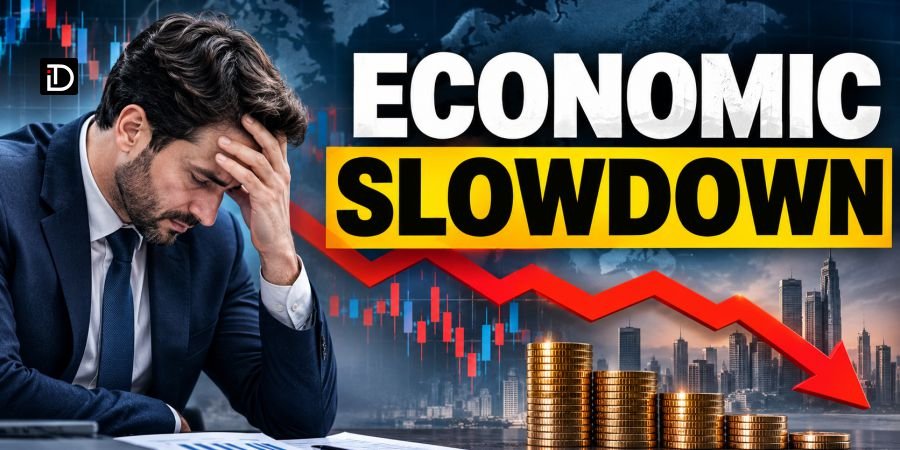
Economic slowdown is one of such phases, and it implies that there is a decrease in the speed of economic activity, which is a problem for the government, businesses, investors and individuals. But on the other hand, it is a good chance for reconsidering the situation.
The Forces Behind Market Uncertainty
There could be a number of interrelated reasons for an economic slowdown. Consumer expenditure reduction, reduced business investment, higher interest rates, inflation, uncertainty, disruption in foreign trade could affect the economy’s performance.
If consumers become cautious about their expenditure, then businesses will have less demand for their goods and services. As a result, companies have to review their growth strategies, operate with fewer costs and refrain from making new investments.
Consumer Confidence Under Pressure
The effects of the economy slowing down can be very easily observed through its influence on the confidence level of consumers. It is a natural tendency of people to be more cautious about their money when there is uncertainty about jobs, earnings or expenses in the future.
This will affect discretionary spending and may lead to saving and spending on debts. These industries are retail, hospitality, real estate, automobile, and entertainment industry because their spending is dependent on the money in hand and confidence in finance.
Businesses Rethinking Their Priorities
Organizations also face crucial decisions during times of economic slowdown. Economic slowdowns can bring about many challenges to revenues, margins, supply chains, and employment policies.
Bigger companies tend to re-evaluate their investment models, while SMEs have more trouble dealing with cash flows and sustainability. But strategic approaches to economic uncertainty can actually enhance the foundation of an organization.
Increased efficiency, use of cost-efficient technology, diverse income streams, and good relations with the customers can all help organizations compete even in hard market times.
The Importance of Economic Policy
Government policy is just as vital in dealing with economic pressure. Central banks and financial institutions keep track of inflation, interest rates, liquidity, and lending policies in order to ensure financial stability.
The government can use such policies as targeted spending, infrastructure development, business incentives, and job programs to boost economic activity.
In case of economic recession, how well the measures will be implemented, the financial management skills and the knowledge about which sector needs support will determine how effective the measures will be.
Global Trade and Emerging Challenges
The process of international trade will also contribute to the development of the economic issues that will be faced by various markets. If some nations have developed export-oriented businesses, they may face a problem when the demand for their products becomes reduced in international markets.
However, firms that operate in multiple markets may have the chance to diversify their supply chain and discover new markets instead of being dependent on several trading partners.
The Human Side of Economic Change
Human aspects related to economic uncertainty require consideration as well. Workers might experience issues associated with job security, career advancement, and financial stability. New workers joining the labor market will face increased competition, while skilled workers might be required to gain new knowledge to stay competitive.
Education for professional growth, financial education, entrepreneurship, and re-skilling of the work force could be used by people to cope with changes. Employers could support their staff with the help of proper communication and responsible management of the workforce.
Building a Resilient Economic Future
However, an economic slowdown has to be seen not only as a phase of lowered activity but also as a challenge to economic sustainability. The decisions made by companies, governments, investors, and individuals during uncertain times may affect the course of future economic growth. The countries which value innovation, develop their internal economy, exercise fiscal responsibility, and invest in education have much higher chances of recovery and prosperity.
The pace at which the markets grow is not the only indicator of economic development. Economic success is also defined by the degree to which economies cope with uncertainty, preserve opportunities, and create favorable conditions for the development of all segments of the population. Such economies become able to convert market difficulties into sources of economic growth.