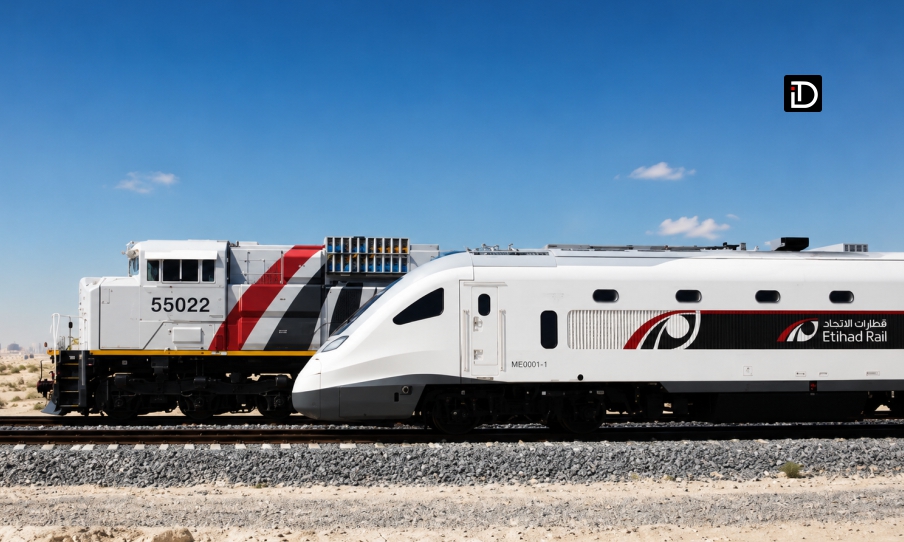
The United Arab Emirates has always focused on creating projects that would bring innovations and breakthroughs. Thus, etihad rail is a railway that is being developed in order to provide alternative transportation. The growing number of vehicles and ecological problems requires a developed railway system. It can provide goods, services, and comfortable transportation for citizens and local residents.
The railway is the future of the business as it will satisfy various needs and provide many opportunities. It will connect business hubs and many other places for trade within the country so that goods and products are transported faster and cheaper. It will also connect different countries of the region, which will improve the economy and trade. The UAE has always been working on creating projects, not only for citizens but for other nations as well. Therefore, etihad rail is a great opportunity for business and trade.
Etihad rail: a future plan
Transportation infrastructure is one of the most essential parts of any economy. The project of etihad rail was planned to meet the growing demand for transport, connecting several emirates, their industrial zones, business hubs and ports by railroad. This will improve business logistics and ensure efficient transportation of goods from ports to customers. It will also ensure the comfort and accessibility of passenger transportation. Thus, the UAE plans to create an integrated transport infrastructure that would meet the needs of its citizens, as well as thousands of local residents, tourists, and business travelers. The UAE wants to move towards developing new transport systems so that the existing ones will not be overloaded.
As more sections become operational, businesses can expect faster transportation of raw materials and finished products, contributing to increased productivity across multiple sectors.
Supporting Trade, Business, and Economic Diversification
Efficient transportation directly influences economic performance. A dependable railway system reduces delivery times, minimizes fuel consumption, and lowers operating costs for companies involved in manufacturing, retail, construction, and logistics. This creates a more competitive business environment that attracts both local entrepreneurs and international investors.
The expansion of etihad rail is expected to strengthen supply chains by providing a reliable alternative to road freight. Goods transported through rail generally experience fewer delays caused by traffic congestion, resulting in more predictable delivery schedules. This level of reliability is particularly valuable for industries that depend on just-in-time inventory management.
The railway also complements the UAE’s role as a global trade hub. By connecting ports, free zones, airports, and industrial regions, businesses gain improved access to domestic and international markets. Such connectivity encourages investment while supporting the country’s broader strategy of economic diversification beyond oil and gas.
Furthermore, improved freight capacity can help reduce transportation costs over time, creating benefits that extend to manufacturers, distributors, retailers, and ultimately consumers.
Sustainability and Smarter Transportation
Modern railway systems are recognized worldwide as one of the most environmentally friendly methods of transporting both passengers and cargo. Compared with heavy road transport, rail networks generally consume less energy per ton of freight while producing fewer carbon emissions.
This environmental advantage aligns closely with the UAE’s sustainability objectives. As governments and businesses increasingly prioritize reducing their environmental impact, investments in rail infrastructure become even more significant. The development of etihad rail demonstrates how transportation can support economic growth without compromising environmental responsibility.
Reduced truck traffic also contributes to improved road safety and lower maintenance requirements for highways. Fewer heavy vehicles on the roads can decrease congestion, shorten travel times for commuters, and create a more efficient transportation ecosystem overall.
For passengers, rail travel offers a comfortable alternative that combines convenience, safety, and reliability. Modern stations, efficient scheduling, and high-quality services have the potential to make train travel an attractive option for both daily commuters and tourists exploring different parts of the country.
The Future of Regional Transportation
The long-term potential of etihad rail extends beyond the borders of the UAE. As regional railway integration develops across the Gulf, cross-border transportation could become significantly more efficient for passengers and freight alike. Improved regional connectivity would strengthen trade relationships, encourage tourism, and simplify logistics between neighboring countries.
Such integration has the potential to transform supply chains throughout the region by creating faster, more sustainable transportation corridors. Businesses operating across multiple Gulf markets would benefit from streamlined movement of goods, while travelers could enjoy more convenient transportation options.
Technological advancements are also expected to play an important role in the future of railway operations. Digital ticketing, intelligent traffic management systems, predictive maintenance, and real-time monitoring can enhance efficiency while improving passenger experiences. These innovations ensure that railway infrastructure remains adaptable to future demands.
As cities continue to expand and economic activity grows, transportation networks must evolve accordingly. Investments in modern rail infrastructure provide long-term value by supporting mobility, encouraging business growth, and improving quality of life for future generations.
The continued development of etihad rail reflects a broader commitment to building resilient infrastructure that serves both economic and environmental objectives. Whether supporting industrial growth, reducing traffic congestion, or creating new travel opportunities, the railway is positioned to become one of the UAE’s most influential infrastructure projects. As the network expands and new services become available, it will continue shaping the nation’s transportation landscape while reinforcing its position as a regional leader in innovation and sustainable development.