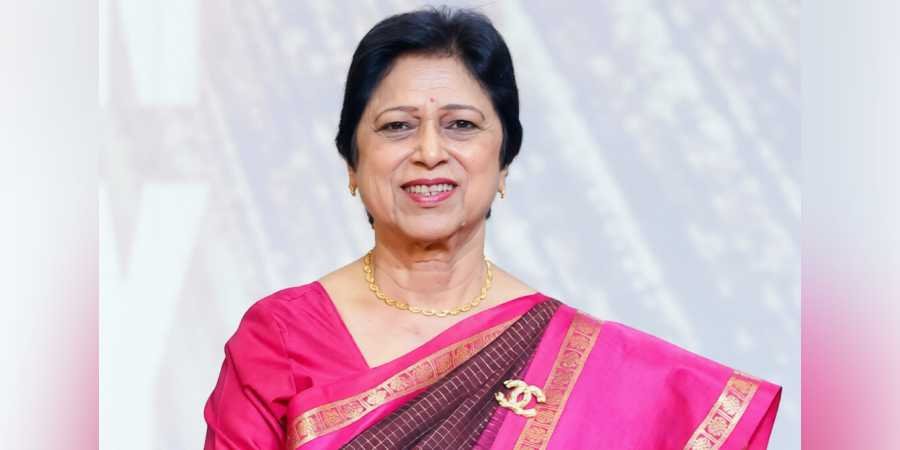
Education is one of those professions where the work reaches far beyond the classroom. It shapes how young people see themselves, understand others and find their place in a changing world. Behind every strong institution are educators who have spent years not only managing schools, but also listening, guiding and creating opportunities for others to grow. Their influence is often seen in the confidence of students, the progress of teachers and the values carried into the wider community.
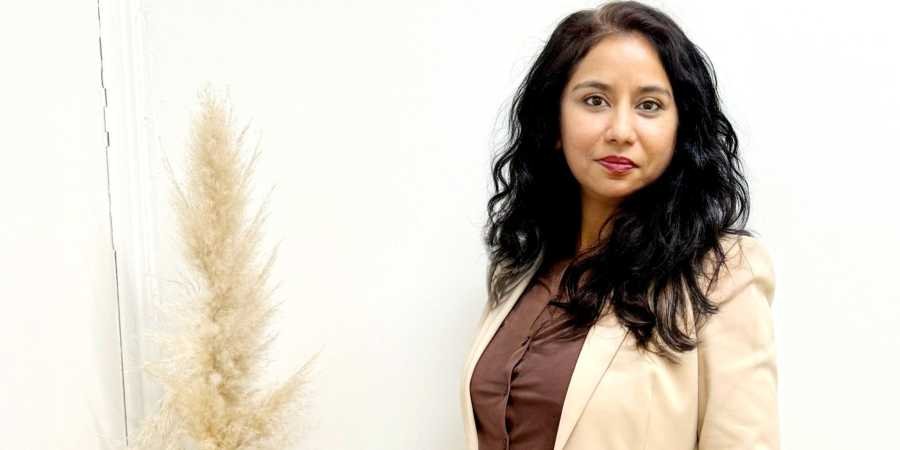
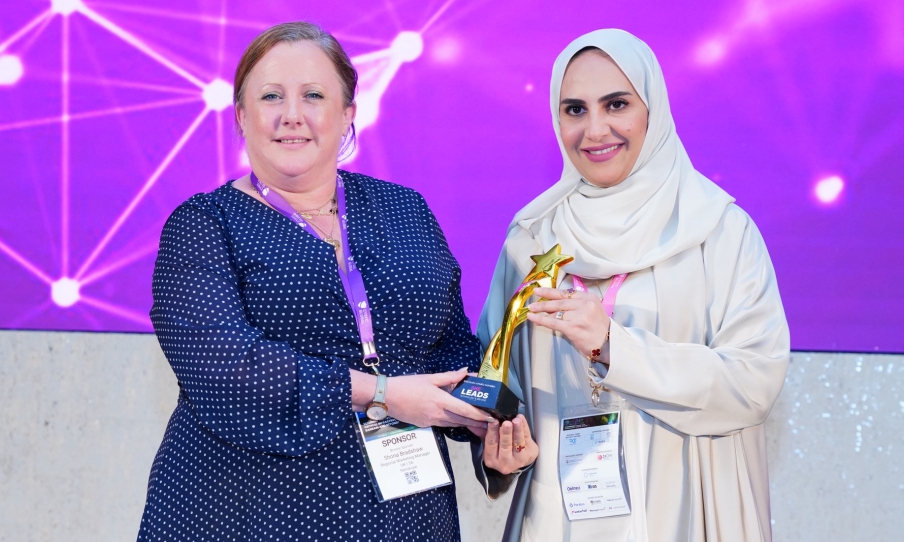
Mrs. Rafia Zafar Ali, M.Sc., M.Ed., has built her professional life around that wider purpose. A distinguished academician and humanitarian, she has spent more than four decades in education, including over 35 years as Principal across leading institutions in India and abroad. Her contribution to the field has earned her several notable honours, including the National Award to Teachers in 2010 from the President of India, the CBSE Mentor Award in 2013 from the Minister of HRD, Government of India, and the Dr. APJ Abdul Kalam Outstanding Director Award in 2016.
Her work, however, has never been limited to the responsibilities of a Principal. Her involvement has extended into a range of national and social upliftment initiatives, including Girl Guide, Adult Education, NSS, Polio Eradication, Environment Education, Cleanliness Drives, anti-smoking campaigns, Population Education and efforts addressing gender discrimination. Across these roles, education has remained for her not simply a profession, but a way to contribute to people and society.
A Family Legacy That Became a Lifelong Purpose
Education was a natural choice for Rafia, having grown up in a family of teachers. Their influence shaped her belief that education can transform both individuals and society. Over nearly four decades in the field, including 35 years as a principal, her understanding of leadership has changed considerably. What began with a stronger focus on administration and academic achievement has developed into a more people-centred, collaborative and purpose-driven approach, with greater attention to values, character, wellbeing and responsible global citizenship.
Understanding Students Beyond Their Classrooms
Rafia’s experience of leading schools in India and the Gulf has shown her that cultural differences may shape learning environments, but students everywhere share the desire to learn, succeed and feel valued. The Gulf’s multicultural setting brings a stronger focus on inclusivity, global awareness and adaptability, while India often places greater importance on academic achievement. Her approach is to bring these priorities together through academic excellence, integrated learning, sports, skill-based education and holistic development.
Preparing Students for What Comes Next
As Director cum Principal of Leaders Private School, Rafia’s vision is to build a learning environment where academic excellence sits alongside values, creativity, critical thinking, technology and skill-based education. She wants students to become adaptable, confident and resilient, ready to face change and future challenges with a positive attitude. The larger goal is to develop responsible global citizens and future leaders who can contribute meaningfully to society.
The Rewards That Matter Most
The National Award to Teachers in 2010 remains one of the most cherished honours of her career, but the moments she values most happen beyond award ceremonies. Seeing former students move into leading positions around the world and contribute positively to society gives Rafia a deeper sense of fulfilment. The growth of teachers she has mentored, many of whom have gone on to become Principals, is equally meaningful.
She also holds close the journey of Leaders Private School, which grew from 115 students in 2005 to approximately 2,000 students. These milestones, she believes, capture the real purpose behind the work. Her measure of impact is simple: whether students and teachers leave school believing, “I can.”
Keeping the Bigger Picture in View
Rafia approaches educational leadership with balance, bringing academic excellence together with student wellbeing, teacher development, technology and stakeholder expectations. Decisions are shaped through collaboration with her leadership team and teachers, while the views of students and parents also matter. Data and feedback support this process, helping ensure that strategic choices contribute to students’ overall growth and future readiness.
What Makes a School Truly Successful
Rafia’s experience as a CBSE mentor and through school inspection and affiliation-related initiatives has reinforced her belief that academic results alone do not define a high-performing school. Strong schools develop values, character, creativity, critical thinking and life skills alongside academic ability. Strong leadership, committed teachers, student wellbeing and a culture of continuous improvement are equally important.
Eventually, she measures a school’s success by the quality of individuals and responsible citizens it develops.
Technology With a Human Touch
The arrival of digital education, artificial intelligence and new technologies has moved Rafia’s approach from traditional teaching towards a more technology-enabled, student-centred and personalised model. She sees digital tools and AI as valuable complements to teachers, particularly in encouraging creativity, critical thinking, collaboration and individualised learning. Yet technology should never replace the human values and personal connection that remain central to education.
Teachers as Mentors and Role Models
Teachers have a role that extends well beyond delivering lessons. Rafia sees them as mentors, role models and facilitators who can help students learn to question, create, collaborate and think independently. Through these everyday interactions, teachers can nurture critical thinking, emotional intelligence and leadership. More importantly, they can inspire young people to become responsible, compassionate and socially conscious citizens.
Taking Learning into the Community
Rafia believes schools have a responsibility to develop more than knowledgeable students. Social upliftment, environmental awareness, health, equality and community service give young people opportunities to develop empathy and a sense of responsibility. Education becomes more meaningful when students take what they learn beyond the classroom and use it to make a positive difference in society.
Forming Trust with Parents and Communities
Open, transparent and respectful communication forms the foundation of the relationship Rafia seeks to build with parents and the wider community. At Leaders Private School, initiatives such as the ‘Don’t Wait to Lose Weight’ Health and Fitness Campaign, ‘LPS CARES’ charity initiatives, Yoga for staff and students, and staff birthday celebrations have helped create stronger relationships and a sense of belonging.
Listening to concerns while communicating the school’s vision, values and expectations clearly allows the partnership to grow without compromising its educational philosophy. The central consideration remains the best interests and holistic development of students.
The Challenges Ahead for Middle Eastern Schools
School leaders in the Middle East are navigating rapid technological change, AI, diverse learning needs, student wellbeing, teacher retention and the continuing need to upskill teachers. Retaining experienced and committed teachers can be particularly difficult, with many leaving the region because of personal and family reasons.
Rafia believes the coming five to ten years will require leaders who are adaptable, innovative, collaborative and future-focused. At the same time, human values and students’ holistic development must remain at the centre of decision-making.
Qualities That Will Matter to the Next Generation
Adaptability, critical thinking, creativity, empathy and time management will be important qualities for young people entering an increasingly technology-driven world. Rafia also sees cyber security awareness and strong values as essential. Students will need to remain lifelong learners, using technology wisely, safely and responsibly while retaining the ethics, compassion and sense of responsibility needed to become global citizens.
A Legacy Built Around the Whole Child
Looking ahead, Rafia hopes to leave behind a legacy of values-based, student-centred and future-ready education in which every child has the opportunity to discover their potential. Her vision for schools across the Middle East is one that gives greater space to holistic development, innovation, wellbeing and responsible global citizenship.
The aim, ultimately, is bigger than preparing students for careers. She wants schools to prepare them for life.