
Abuzz with relentless activity is one of the Gulf region’s most sophisticated broadcast facilities. Live television transmissions, digital news feeds, radio networks, and official public communications operate around the clock, powered by an intricate technology ecosystem that cannot afford even a moment of failure. Beneath every broadcast lies a mission-critical digital infrastructure that demands constant vigilance against evolving cyber threats, operational disruptions, and emerging technological risks.
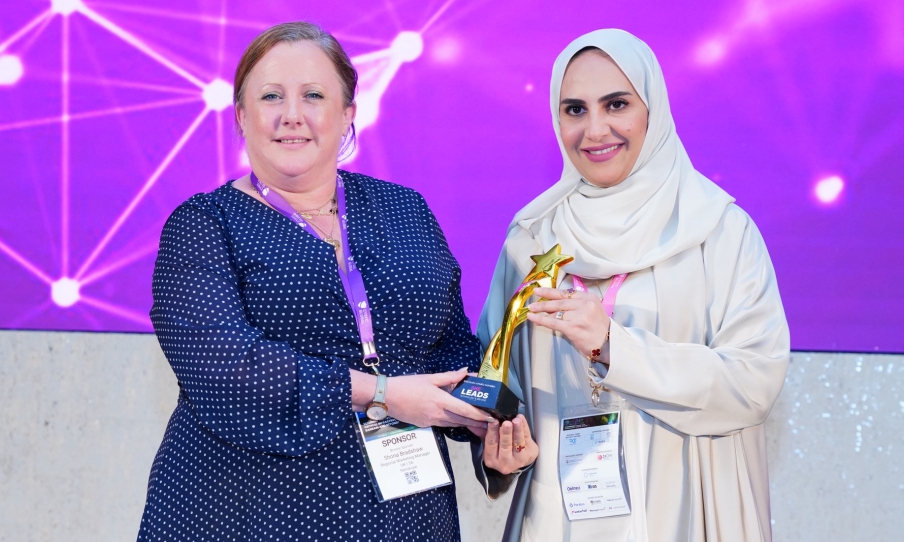
A compromised directory service, a failed network switch, or a successful cyberattack could instantly disrupt the flow of critical information to millions. It is within this high-stakes environment that Eng. Huda Ahmed Mohsen, Chief of Information Technology at the Ministry of Information, Kingdom of Bahrain, leads with unwavering precision. A distinguished technology executive, cybersecurity strategist, and internationally recognized speaker, she stands at the forefront of securing, modernizing, and transforming the digital backbone that keeps a nation informed, connected, and resilient.
With more than two decades of experience spanning Information Technology, Cybersecurity, Digital Transformation, Artificial Intelligence strategy, IT Governance, and enterprise infrastructure, Eng. Huda has built a career defined by innovation, resilience, and strategic leadership. She has successfully spearheaded the modernization of mission-critical ICT environments, enterprise platforms, cybersecurity frameworks, cloud technologies, and government digital services while aligning technology investments with national objectives and operational excellence. Her expertise extends across cyber resilience, enterprise architecture, infrastructure modernization, business continuity, risk management, critical infrastructure protection, smart media technologies, and emerging digital innovations that shape the future of public service.
Recognized as a respected thought leader across the Middle East, Eng. Huda is frequently invited as a keynote speaker, panel moderator, and industry expert at leading regional and international conferences dedicated to cybersecurity, artificial intelligence, digital transformation, and technological innovation. Beyond driving national digital initiatives, she is equally passionate about mentoring future technology professionals, advancing women’s leadership in technology, and fostering secure, resilient digital ecosystems that create lasting organizational and societal value.
A computer engineer by training, Huda brings nearly two decades of deep IT, network, and cybersecurity expertise to this essential public sector domain. Her professional journey within the authority began in June 2006, when she stepped into the role of Senior Network Security Engineer. In this technical crucible, she mastered the complex intricacies of enterprise Windows environments, Active Directory setups, Exchange servers, NetBackup systems, DHCP, and DNS configurations. Her hands-on command of infrastructure engineering quickly earned her a reputation as a precise technical leader who transforms chaotic legacy frameworks into highly reliable, secure, and future-ready networks.
The Scale of Infrastructure Leadership
By January 2010, the organization promoted her to Head of Network, a role she held for over five years. During this tenure, she supervised the deployment of massive data pipelines, ensuring that heavy digital media files moved securely across state lines without latency. Recognizing her sharp protective instincts, the Ministry of Information appointed her as the Head of Security in January 2016. In this senior role, she governed the perimeter defenses of national communication networks, pairing rigid cybersecurity compliance with rapid system performance.
Her proven capability to manage and develop complex technical projects led to her promotion as the Chief of Information Technology in November 2017. For over eight years, she has directed the authority’s overarching digital transformation strategy, including modernizing public-facing portals using open-source integration alongside advanced proprietary systems. Beyond her executive office, she fuels the regional tech ecosystem by tracking technical developments and attending prominent technical events worldwide. She also shares her extensive industrial knowledge with the next generation of engineers by serving as an active member of the Program Industry Advisory Committee at the University of Bahrain, constantly testing new operational strategies to keep pace with global technological shifts.
The Spark of National Resilience
Eng. Huda’s passion for technology began at an early age, driven by curiosity about how systems connect, communicate, and solve real-world challenges. As technology evolved into a strategic enabler for governments and organizations, she became increasingly interested in cybersecurity and digital transformation because of their direct impact on society, economic growth, and national resilience. Her career started in technical roles focused on network infrastructure and information security. These experiences provided a strong foundation in understanding the critical relationship between technology, risk management, and operational continuity. Over the years, she progressed into leadership positions where her responsibilities expanded from managing systems to shaping technology strategies, leading large-scale transformation initiatives, and building high-performing teams.
The Milestones of Innovation
Several milestones have defined her journey. Leading cybersecurity initiatives that strengthened organizational resilience, driving digital transformation programs that improved public services, modernizing technology infrastructures, and contributing to national-level digital initiatives have been particularly significant. Being recognized among leading women in technology and receiving professional awards for innovation and leadership have also been meaningful moments that reinforced her commitment to advancing the technology sector. Having advanced from technical roles to Chief of Information Technology, one of the most important lessons she has learned is that technology leadership is ultimately about people. While technical expertise is essential, success depends on empowering teams, creating trust, and aligning technology with organizational objectives. Another lesson is the importance of adaptability. Technology changes rapidly, and leaders must continuously learn, anticipate future trends, and remain open to new approaches. Strategic thinking is equally critical. Leaders must balance immediate operational needs with long-term transformation goals.
The Resilience of Leadership
Finally, resilience has been a defining lesson throughout her career. Every major project presents challenges, whether related to cybersecurity threats, resource constraints, or organizational change. Effective leaders remain focused on solutions, maintain transparency, and inspire confidence during periods of uncertainty. Her leadership philosophy is centered on empowerment, accountability, and continuous improvement. She believes that successful leaders create environments where people feel trusted, valued, and motivated to contribute their best work. Earlier in her career, leadership was primarily focused on technical execution and achieving project objectives. As her responsibilities expanded, she realized that leadership extends beyond delivering outcomes. It involves mentoring future leaders, fostering collaboration, and creating a culture that encourages innovation and learning. Today, she views leadership as a responsibility to inspire positive change, support professional development, and build sustainable capabilities that continue delivering value long after a project is completed.
The Strategy of Modernization
One of the most challenging decisions involved managing a major technology modernization initiative that required balancing operational continuity with long-term strategic benefits, reveals Eng. Huda. Implementing significant change often creates uncertainty, and stakeholders may have differing priorities and expectations. The experience taught her the importance of transparent communication, stakeholder engagement, and evidence-based decision-making. It reinforced that leadership sometimes requires making difficult decisions that may not be immediately popular but are necessary for long-term success. It also demonstrated the value of maintaining focus on the broader vision while carefully managing risks and organizational impact.
The Integration of Security and Innovation
As digital transformation accelerates across the public sector, when it comes to balancing innovation with security, governance, and operational excellence, she believes that Innovation and security should never be viewed as competing priorities. Sustainable innovation is only possible when it is supported by strong governance, cybersecurity, and operational frameworks. She believes in adopting a “security-by-design” approach where security considerations are integrated from the earliest stages of planning and development. Governance frameworks provide accountability and consistency, while operational excellence ensures reliability and quality of service. By establishing clear policies, implementing robust risk management practices, and fostering collaboration between technology, security, and business teams, organizations can innovate confidently while maintaining trust and resilience.
The Mechanics of Digital Transformation
Artificial Intelligence will undoubtedly be one of the most transformative technologies. AI has the potential to enhance decision-making, automate routine processes, and significantly improve citizen experiences. In addition, cloud computing, data analytics, cybersecurity technologies, digital identity solutions, and intelligent automation will continue reshaping government operations. The integration of these technologies will enable governments to deliver more efficient, personalized, and accessible services. The Arab region is making significant investments in digital transformation, and she believes we will witness accelerated adoption of smart government platforms, predictive analytics, and AI-driven public services that improve quality of life and economic competitiveness.
The Imperative of Strategic Resilience
Eng. Huda further adds that cybersecurity must be treated as a strategic business priority rather than solely a technical function. Organizations should adopt a comprehensive approach that includes governance, technology, processes, and people. Key strategies include implementing zero-trust principles, strengthening identity and access management, conducting continuous monitoring, enhancing incident response capabilities, and investing in cybersecurity awareness programs. Equally important is building a culture of security where every employee understands their role in protecting organizational assets. Cyber resilience is achieved not only through technology but also through preparedness, collaboration, and continuous improvement.
The Cultivation of Collaborative Innovation
Creating a culture of innovation begins with encouraging curiosity and empowering individuals to share ideas without fear of failure. She encourages teams to explore emerging technologies, participate in professional development opportunities, and contribute to innovation initiatives. Collaboration is strengthened by promoting open communication, cross-functional teamwork, and shared accountability for outcomes. Continuous learning is supported through training programs, certifications, knowledge-sharing sessions, and mentoring. When people feel supported in their growth and trusted to contribute, innovation becomes a natural outcome rather than a separate initiative.
The Governance of Evolving Intelligence
Artificial Intelligence is reshaping industries worldwide. AI will fundamentally transform how governments interact with citizens and deliver services. It will enable faster decision-making, more efficient resource allocation, and proactive service delivery. Citizens will benefit from personalized digital experiences, intelligent virtual assistants, and streamlined access to government services. Internally, AI will help organizations analyze large volumes of data, identify trends, automate repetitive tasks, and improve operational efficiency. However, successful adoption requires strong governance frameworks, ethical considerations, transparency, and responsible use of data to maintain public trust.
The Integration of Technical Mastery
According to Eng. Huda, future technology leaders must combine technical expertise with strategic and human-centered leadership skills. They need a strong understanding of cybersecurity, AI, data analytics, cloud technologies, and digital transformation. Equally important are communication, emotional intelligence, adaptability, critical thinking, and change management. Technology leaders must be able to translate complex technical concepts into business value and inspire diverse teams toward shared goals. Continuous learning will remain essential because the pace of technological change continues to accelerate.
The Empowerment of Evolving Talent
To young women aspiring to build successful careers in technology, cybersecurity, and digital innovation, her advice is simple: Believe in your capabilities and never allow stereotypes or challenges to define your potential. Technology offers incredible opportunities to create meaningful impact, solve complex problems, and shape the future. Invest in continuous learning, seek mentors, embrace challenges, and remain confident in your abilities. Success is built through persistence, resilience, and a willingness to step outside your comfort zone. Most importantly, focus on developing both technical expertise and leadership skills. The technology sector needs diverse perspectives, and women have an important role to play in driving innovation and digital transformation.
The Horizon of Sustainable Growth
Looking ahead, Eng. Huda’s vision is to continue advancing a secure, innovative, and digitally empowered organization that delivers exceptional services and supports national digital transformation objectives. Technology should serve as an enabler of efficiency, transparency, and sustainable growth. She aspires to contribute to building resilient digital ecosystems, strengthening cybersecurity capabilities, and fostering a culture of innovation that embraces future technologies responsibly. The legacy she hopes to leave is one of meaningful transformation—creating sustainable technological capabilities, empowering future leaders, and helping establish a strong foundation that enables organizations and communities to thrive in the digital age. Ultimately, success is measured not only by systems implemented but by the lasting positive impact created for people and society.